
You watch your child explore the world, learn new things, and grow every day. You want to give them every tool they need to succeed, but sometimes a challenge with their eyesight can go unnoticed. The team at Eyesis Eyecare understands that vision problems can be subtle, and children may not know how to tell you that something is wrong.
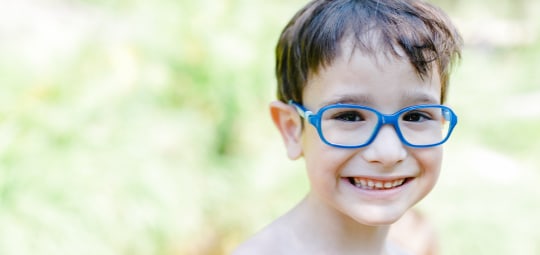
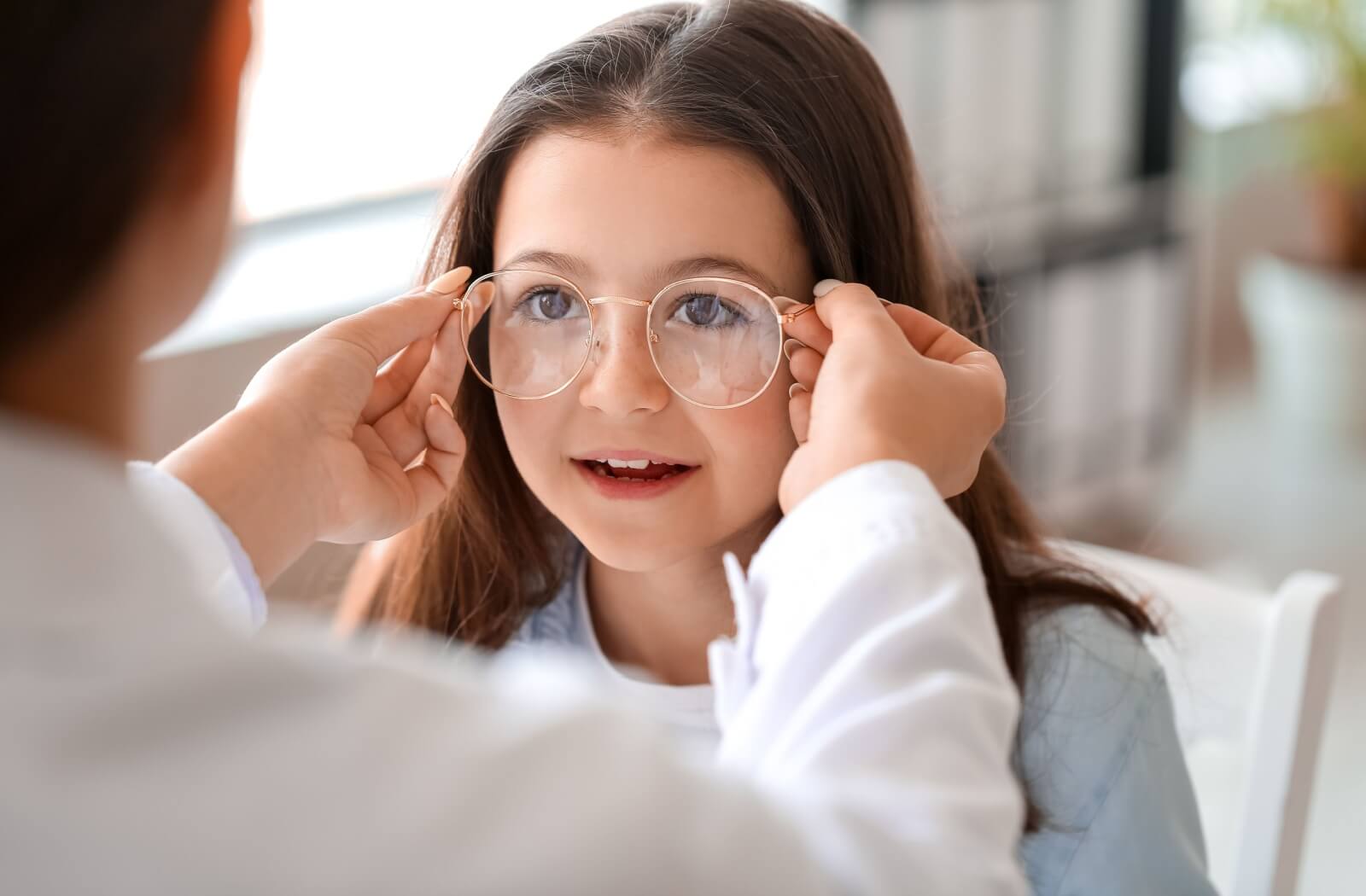
The signs your child might need glasses often appear as small physical habits, like squinting to see or tilting their head, changes in their behaviour, and even difficulties with schoolwork. The good news is that a children’s eye exam is a noninvasive, effective way to help figure out if your child may need glasses.
Common Physical Signs and Behaviours
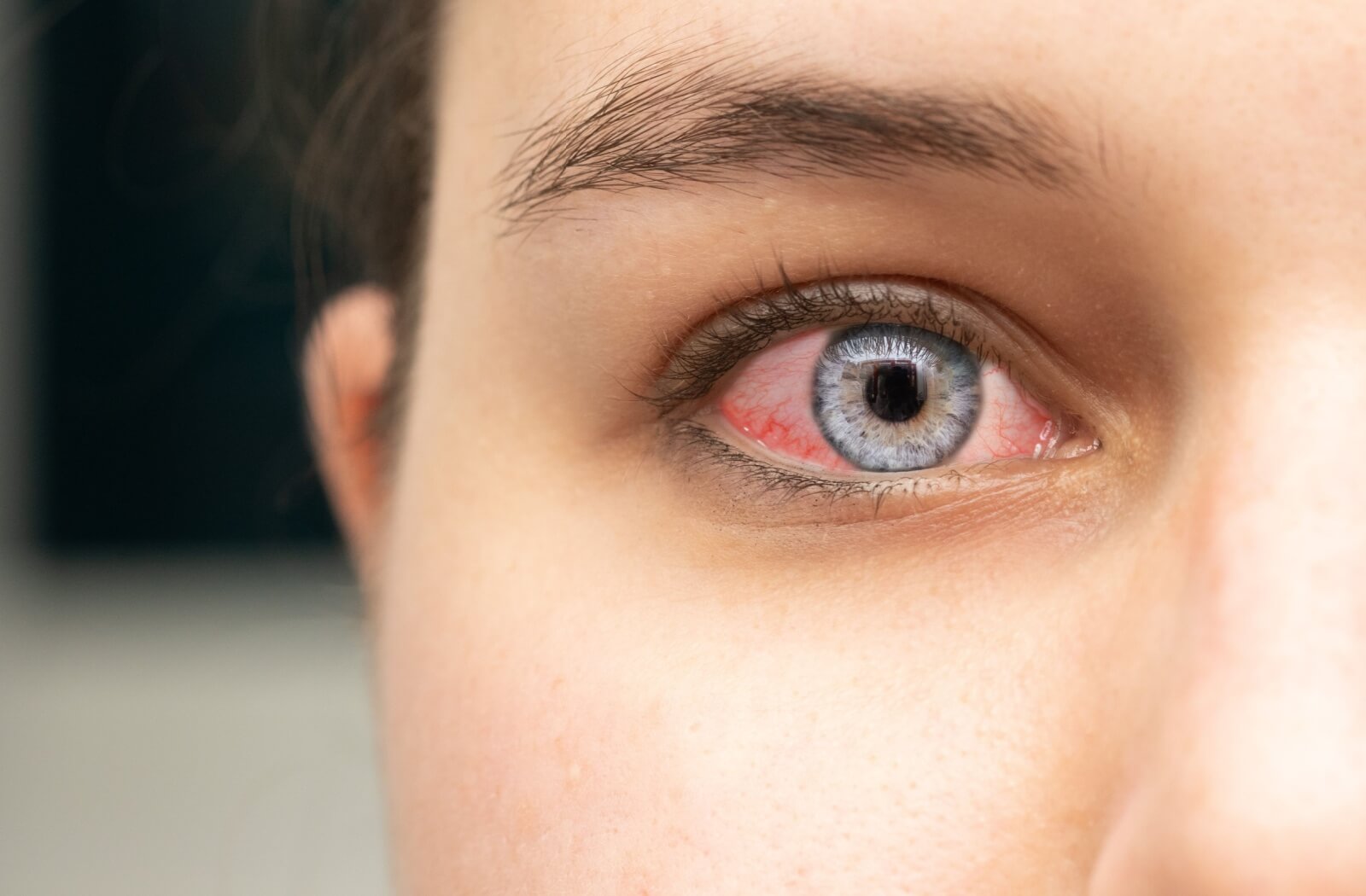
You might notice certain physical actions that suggest your child struggles to see clearly. These are often the first hints that a professional eye exam could be helpful. Keep an eye out if your child:
- Squints or tilts their head to see things
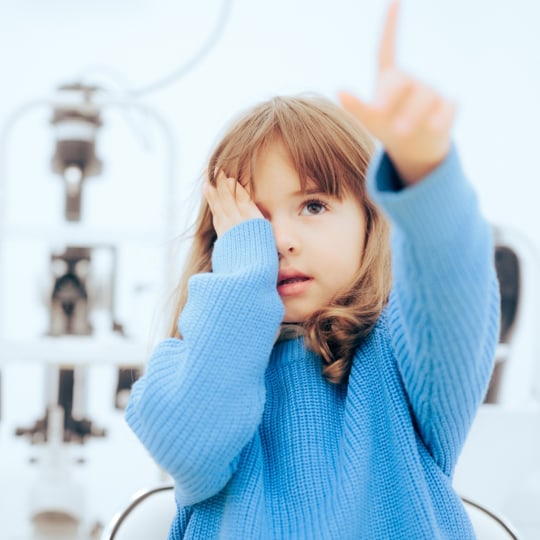
- Covers 1 eye when trying to focus
- Rubs their eyes often, especially after activities that can cause digital eye strain
- Has frequent headaches or complaints of sore eyes
- Blinks more than usual or has watery eyes
How Vision Affects Daily Activities
The way your child interacts with their surroundings can also point to a vision problem. If you notice changes in how they approach school, play, or other tasks, it may be connected to how well they can see.
At Home and During Play
You may see your child sit very close to the television or hold a tablet right up to their face. During playtime, they might have a tough time catching a ball or seem a bit clumsy. When reading a book together, you might notice they frequently lose their place on the page.
During School
A vision issue can sometimes look like a lack of interest in school, as clear vision is foundational for learning. Your child might avoid homework or other tasks that require close focus. This difficulty can also show up as a short attention span or trouble recognizing letters and shapes, which may point to a need for further vision assessment, including evaluation for myopia.
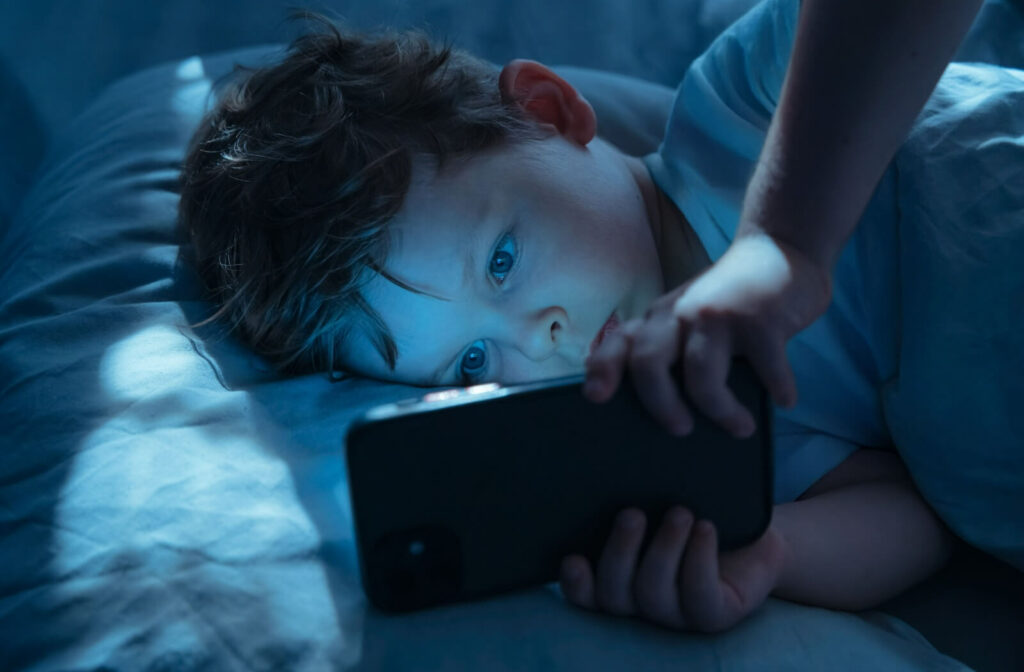
Screen Time and Your Child’s Eyesight
Digital screens are a big part of life, but too much time up close with a tablet or phone can lead to digital eye strain. This can leave your child’s eyes feeling tired and uncomfortable, causing dryness and headaches. Regular breaks can help their eyes rest and refocus: Try introducing the 20-20-20 rule to make breaks easy to remember.
Vision Care for Children with Special Needs
Every child deserves access to clear vision in a way that feels safe and comfortable. For children who are non-verbal or have special needs, a tailored approach to eye exams is important. Our dedicated team of eye care professionals can provide a supportive and positive experience for your child.
Signs in Non-Verbal Children
If your child is non-verbal, you can watch for other signs, such as unusual head movements or sensitivity to light. You might also notice they have difficulty focusing on or tracking objects. Challenges with coordination or balance can also be related to vision, which can be particularly relevant for children with developmental differences.
An Adapted Approach to Eye Exams
Special needs eye exams are designed to fit your child’s unique requirements. These exams focus on observation and use objective tests that don’t require spoken answers. The goal is to create a calm environment for your child’s complete eye health check.
When to Schedule a Children’s Eye Exam
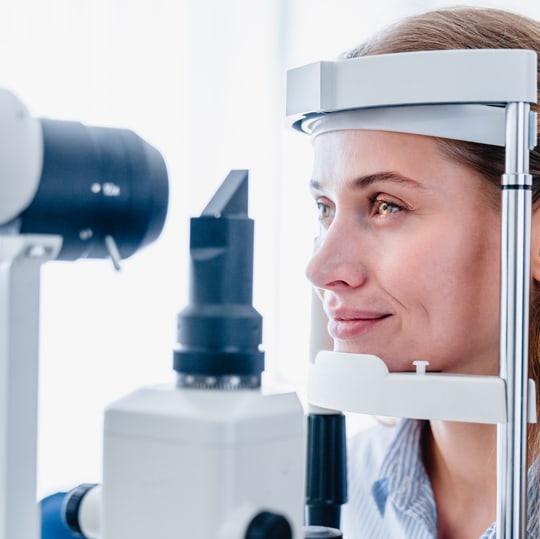
Routine exams are a key part of your child’s health care. A comprehensive check with an eye doctor looks at the complete health of the eyes: Not just how clearly your child can see.
Insurance Coverage for Children’s Eye Exams
Though every situation is different, in many cases, eye exams for children are covered by Alberta Health, which helps with early and regular detection of any changes as your child grows.
Frequency of Children’s Eye Exams
How often you should bring your child for an eye exam can depend on several factors, but for most school-aged children, an annual eye exam is helpful for maintaining their eye health. If your child requires more frequent exams, such as for myopia, an optometrist can recommend a schedule that works for your family’s needs.
Let’s Support Your Child’s Eye Health Together
Clear vision is a foundation for learning and discovery. The team at Eyesis Eyecare provides compassionate and comprehensive care for the whole family. If you have noticed any of these signs, we encourage you to schedule an appointment online for your child.