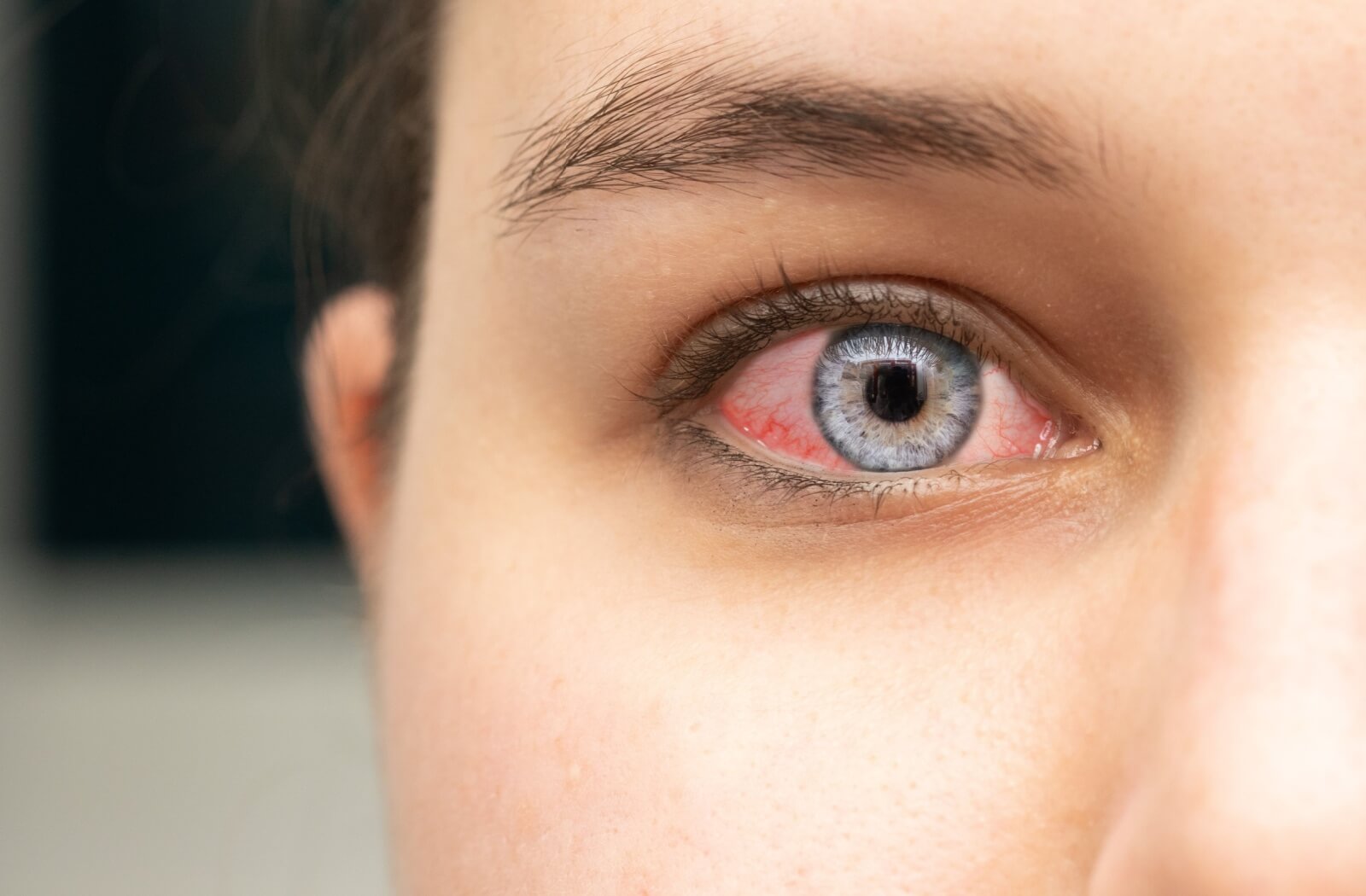

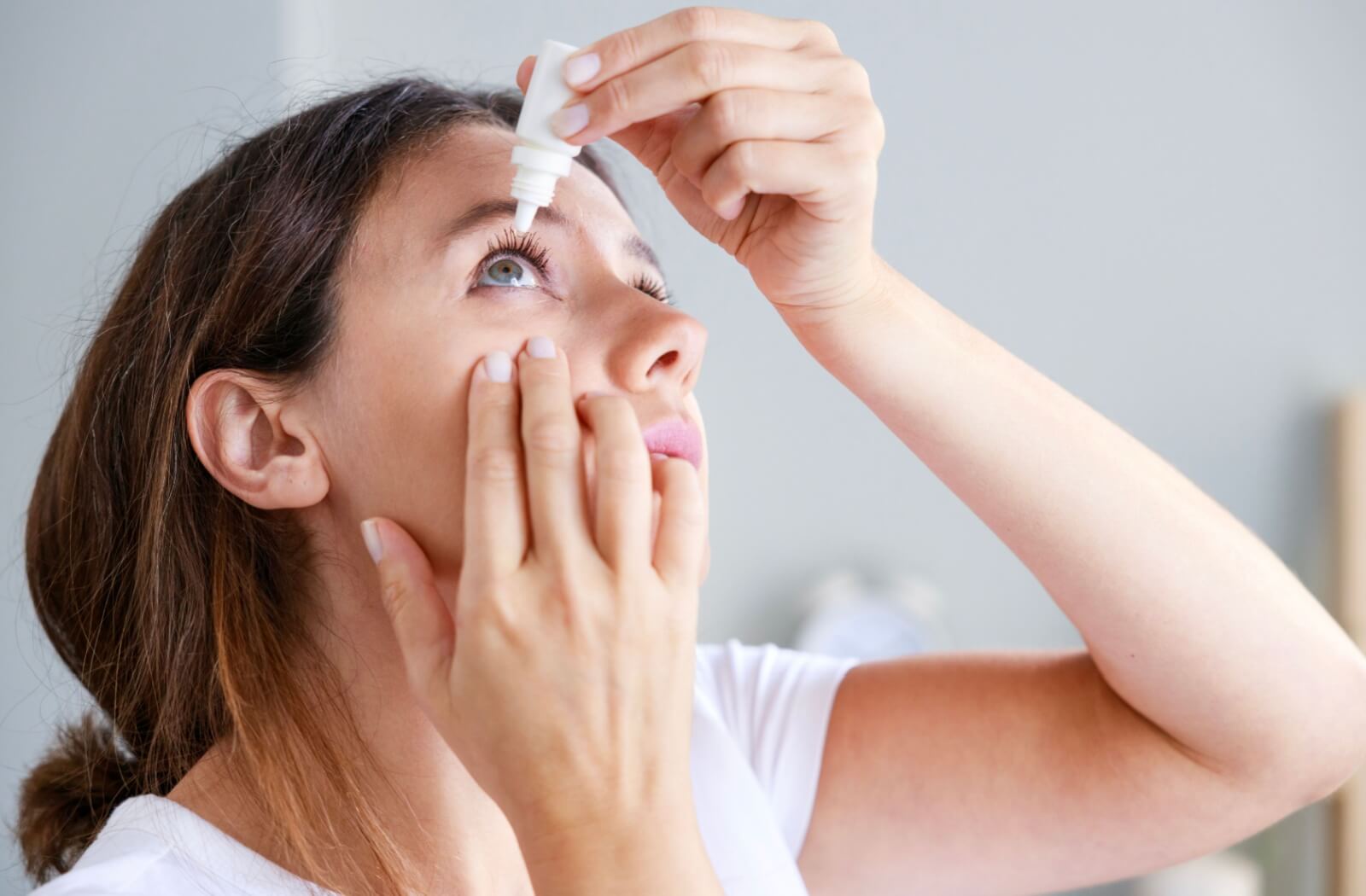
Experiencing dry, gritty, or uncomfortable eyes can really interrupt your day. When you look at the eye drop aisle, it’s hard to know which option could help you find some relief. At Eyesis Eyecare, our team can help you understand the different types of eye drops, making it easier to find a solution for your dry eye.
The right eye drop for you depends on the source of your discomfort and the reason your eyes are dry. A solution that works for someone may not work for another because the underlying causes can be very different.
Know the Cause of Your Dry Eye
It helps to understand the contributing factors of your dry eye to determine which eye drops can help you find relief. Dry eye can occur when your tears don’t properly lubricate your eyes, which can be due to many factors, from your environment to your daily habits.
Common Symptoms of Dry Eye
You may feel the effects of dry eye in different ways. Common signs include:
- A stinging or burning feeling
- A scratchy or gritty sensation
- Redness and irritation
- Periods of blurry vision
- Watery eyes, which are your body’s response to the irritation
Why a Professional Exam Matters
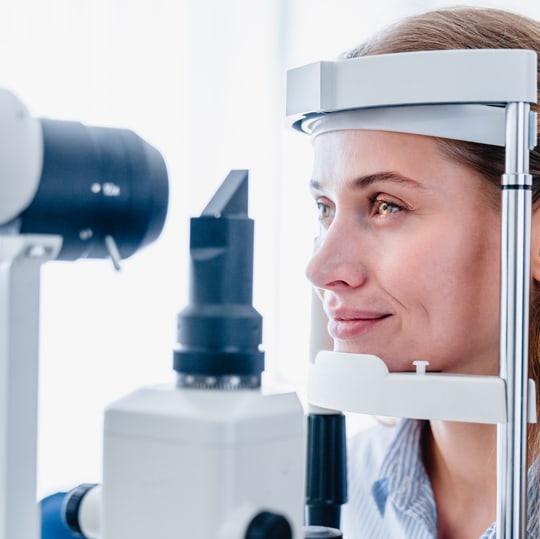
While over-the-counter drops can help with mild symptoms, a comprehensive eye exam can help to find the root cause of your discomfort. An eye doctor can assess your tear film and eye health to recommend a personalized approach for your needs.
Types of Over-the-Counter Eye Drops
Artificial tears are the most common type of lubricating eye drops, and they come in a few main types. No single brand works for everyone, so you may need to try a couple of options to see what makes you feel most comfortable.
Drops for Low Tear Production
If your eyes just don’t make enough tears, some drops work to supplement the tear film by adding moisture. These drops often have a thin, watery consistency and can provide quick relief by rewetting the surface of your eye.
Drops for Tear Evaporation
Sometimes the problem isn’t the amount of tears, but how quickly they disappear. If your tears evaporate too fast, drops with an oil-based component can help. These drops are designed to help stabilize the oily layer of your tear film, produced by small glands lining your eyelids, which helps slow tear evaporation.
Gels and Ointments
For more persistent dryness, consider gels and ointments. These are thicker than liquid drops and coat your eye for longer-lasting lubrication. Because they can sometimes cause temporary blurry vision, they are often a good choice to use just before bedtime for overnight relief.
Preservatives or Preservative-Free Drops
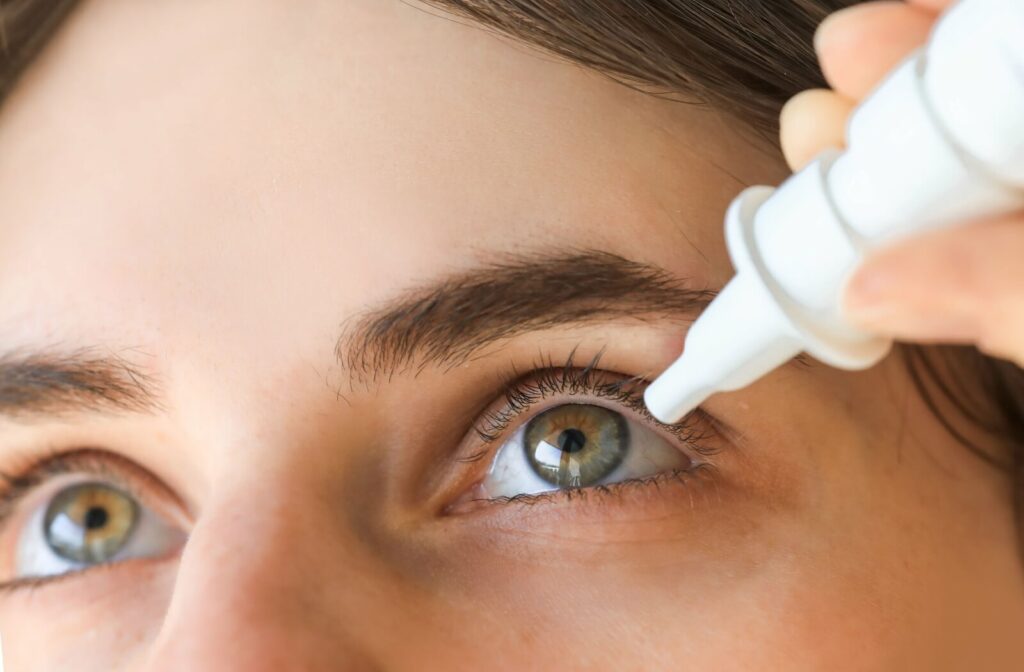
Another choice you’ll face is whether to get drops with or without preservatives. The difference can be important, especially if you need to use drops frequently throughout your day.
Drops with Preservatives
Preservatives are chemicals that prevent bacteria from growing inside a multi-dose bottle after you’ve opened it. For people who only need drops once in a while, this type is usually fine. However, the preservatives themselves can irritate sensitive eyes with frequent use.
Preservative-Free Drops
You may find preservative-free formulas a better choice if you use artificial tears more than 4 times a day. These drops come in single-use vials or special multi-dose bottles, which helps make them gentler on your eyes. Proper handling is key, which is why you should always follow safe eye drop practices for long-term use.
What to Avoid in the Eye Care Aisle
Not all eye drops are created to relieve symptoms of dry eye. It’s important to read the labels carefully and follow your optometrist’s instructions.
Redness Relief Drops
Drops marketed to help with redness usually contain drugs that shrink the blood vessels on the white part of your eye. While they can make your eyes look less red for a short time, they do not treat dryness. Over time, they can cause more redness and irritation, an effect known often as “rebound redness,” which can sometimes be mistaken for other conditions, such as conjunctivitis.
When to See Your Eye Doctor
Over-the-counter drops can provide some relief for mild dry eye. However, if you find yourself using them constantly without much improvement, it may be time for a visit to your local eye doctor.
Signs You Need a Professional Opinion
It’s a good idea to schedule an appointment if you notice any of the following:
- Your symptoms continue or get worse
- You experience eye pain
- Your vision becomes blurry
- You notice discharge from your eye
We Want to Help You Get More Comfortable
You don’t have to manage persistent dry eye on your own. For personalized attention and quality care, the team at Eyesis Eyecare is here to help. Book an appointment with our team: We want to help you understand and uncover the cause of your discomfort and create a path toward relief.