

If a condition like macular degeneration seems to run in your family, you might have questions about whether it could affect you. At Eyesis Eyecare, we believe in providing personalized attention and clear information so that we can support your family’s eye health together.
While genetics plays a part, macular degeneration develops from a combination of factors, including your age and daily habits. Understanding how these elements work together can help you take a more active role in your long-term eye care.
Genetics and Family History
Your family’s health story offers important clues about your own. If a close relative has macular degeneration, your own risk may be higher, but it doesn’t determine your future.
How Genes Affect Your Risk
Certain genes are linked to an increased chance of developing macular degeneration. Think of these genes as contributors: They can make you more susceptible, but they don’t make the condition unavoidable. Many people with these genes never develop the condition.
The Value of Your Family’s Health Story
When you share your family’s eye health history, you give your eye doctor information that helps our team provide personalized care tailored to your health profile.
Knowing which relatives were affected (and at what age) gives your eye care team a clearer timeline, which is context that helps them know what to look for during your exams.
Beyond Genetics: Other Major Risk Factors
You can’t change your genes, but you can influence other parts of your health that affect your eyes. Several lifestyle choices and health factors are connected to the risk of macular degeneration.
Age Is the Biggest Factor
The likelihood of developing macular degeneration increases as you get older. The condition is most common in adults over the age of 50, which is why regular eye check-ups become even more important as the years go by.
How Lifestyle Choices Matter
Daily habits can make a difference. For example, smoking is a significant risk factor. On the other hand, a diet filled with leafy greens, colourful fruits, and fish provides nutrients that support your overall health, including your eyes. Managing your blood pressure and staying active can support the small blood vessels in your eyes, contributing to your overall vision health.
Early Warning Signs of Macular Degeneration
At first, you might not notice any changes to your vision. The signs of macular degeneration can be subtle, which is why paying attention to anything new or different is helpful. Detecting changes early helps provide you with more effective management of your eye health.
This condition affects the macula, the part of your eye responsible for sharp, direct vision. As macular degeneration progresses, you may notice:
- Blurry or fuzzy central vision
- Straight lines that look wavy or distorted
- A dark or empty area in the centre of your sight
- Trouble reading or seeing fine details
- Colours that seem less bright or different

When Does Macular Degeneration Usually Start?
In its early stages, there may be no noticeable symptoms at all, which is why it can go undetected until an eye exam. The changes can happen slowly over time, making it hard to notice a difference from one day to the next, which is why consistent, professional eye care is so valuable.
Proactive Steps for Your Eye Health
You can take practical, straightforward steps to care for your vision. A proactive approach is built on awareness of your health and a partnership with your eye care team.
The Importance of Regular Eye Exams
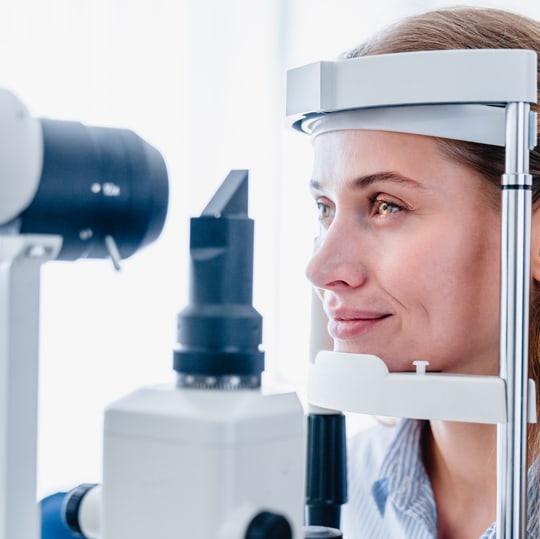
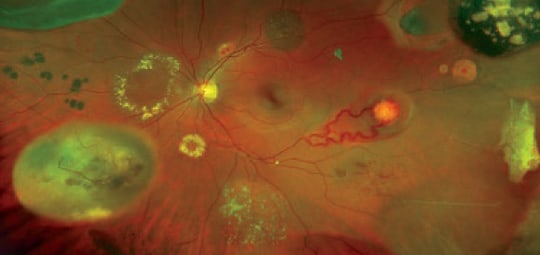
An eye exam is a great way to monitor your eye health. During the exam, the eye doctor can examine the back of your eye. This direct view helps them spot tiny changes that you can’t see or feel.
Healthy Habits for Your Vision
Simple daily habits can contribute to long-term eye health. Protect your vision from UV rays by wearing sunglasses, maintain a balanced diet, and avoid smoking: These choices support not just your vision but your overall well-being, too.
Schedule Your Eye Exam in Southeast Calgary
Your family history is just one part of your story. By focusing on healthy habits and regular check-ups, you can take positive steps to support your vision. Our team at Eyesis Eyecare provides compassionate, quality care and is ready to help you create a plan for your long-term eye health. Schedule a comprehensive eye exam with an eye doctor in Southeast Calgary today.